Sleep Apnea
A Good Night’s Rest is Possible
Is Snoring Keeping You Awake?
Sleep apnea is a disorder where a person has pauses in breathing during sleep. This can result in serious health problems if not treated properly. Talk to us about your options.
Is Snoring Keeping You Awake?
Sleep apnea is a disorder where a person has pauses in breathing during sleep. This can result in serious health problems if not treated properly. Talk to us about your options.

Leave Our Office with a Smile!
Give Us a Call
Our Office
Email Us
What is Sleep Apnea?
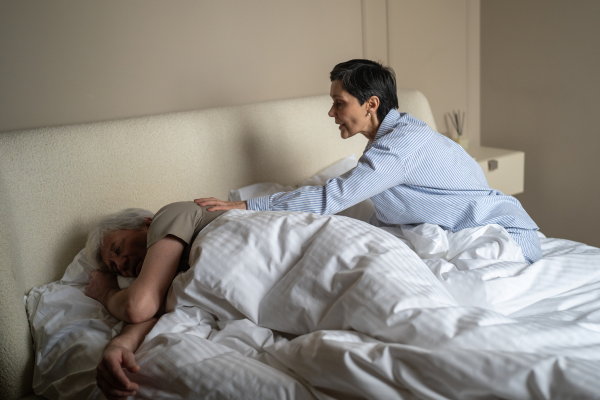
Sleep apnea is a sleep disorder that causes breathing to repeatedly stop or become significantly reduced during sleep. These interruptions can disturb your rest, lower oxygen levels, and place additional stress on your body. The most common form is obstructive sleep apnea (OSA), which occurs when the muscles and tissues around the throat relax enough to narrow or block the airway.
Many people with sleep apnea do not realize their breathing is being interrupted. Instead, they notice symptoms such as loud snoring, morning headaches, poor concentration, or feeling unusually tired during the day.
Common Signs of Sleep Apnea
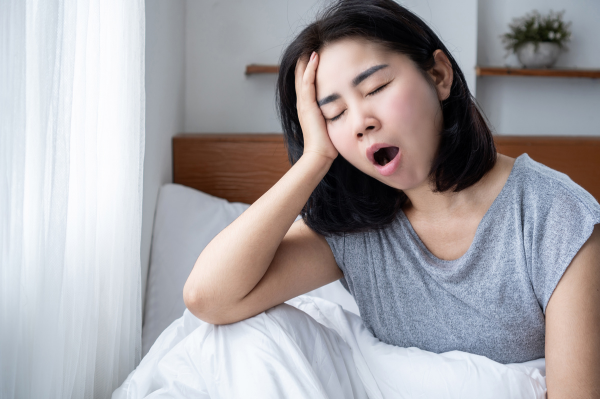
Sleep apnea can affect your nights, mornings, and daytime activities. Some symptoms are obvious to a sleeping partner but may go unnoticed by the person experiencing them. Common warning signs include:
-
- Loud, frequent snoring
- Pauses in breathing noticed by a sleeping partner
- Gasping, choking, or snorting during sleep
- Waking up with a dry mouth
- Morning headaches
- Excessive daytime sleepiness
- Difficulty concentrating or remembering information
- Irritability or changes in mood
- Restless sleep or frequent nighttime awakenings
- Feeling tired despite spending enough time in bed
Who Is a Candidate for Oral Appliance Therapy?
Oral appliance therapy may be appropriate for adults who:
- Have been diagnosed with obstructive sleep apnea by a physician
- Cannot comfortably tolerate CPAP therapy
- Prefer an alternative to CPAP after discussing treatment options with their physician
- Have suitable dental and jaw conditions for an oral appliance
- Are willing to attend follow-up visits and undergo testing to evaluate treatment effectiveness
Oral appliances may be considered for patients with mild, moderate, or selected severe obstructive sleep apnea, depending on medical recommendations.
Oral Appliance Therapy vs. CPAP: What's the Difference?
CPAP and oral appliance therapy both treat obstructive sleep apnea, but they work differently.
CPAP Therapy
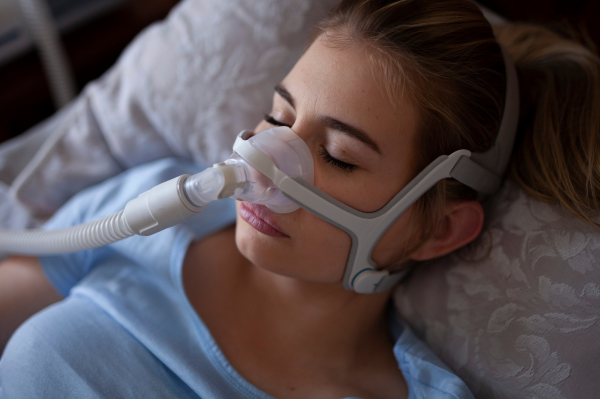
CPAP uses a machine that delivers pressurized air through a mask to help keep the airway open. It is generally more effective at reducing breathing interruptions, particularly in patients with severe obstructive sleep apnea.
Oral Appliance Therapy
A custom oral appliance fits inside the mouth and mechanically repositions the jaw to help maintain an open airway. Some patients prefer oral appliances because they are compact, portable, and do not require a mask, hose, or electricity. However, oral appliances may not control sleep apnea as effectively as CPAP for every patient.

How Does a Sleep Apnea Mouthguard Work?
A mandibular advancement device holds the lower jaw in a slightly forward position while you sleep. This positioning can help reduce collapse of the upper airway and decrease breathing interruptions. The amount of jaw advancement may be adjusted over time to balance treatment effectiveness and comfort.
Frequently Asked Questions
Can a Dentist Treat Sleep Apnea?
Yes. Dentists can provide custom oral appliance therapy for patients diagnosed with obstructive sleep apnea by a physician. Our team helps qualifying patients explore dental appliances designed to support an open airway during sleep. A physician or sleep specialist is responsible for diagnosing sleep apnea and overseeing medical treatment.
What Is the Best Alternative to CPAP for Sleep Apnea?
Custom oral appliance therapy is an established alternative for many adults who cannot tolerate CPAP or prefer another treatment option. These devices gently reposition the lower jaw to help keep the airway open during sleep. The best treatment depends on the severity of your sleep apnea, overall health, and recommendations from your physician.
Does a Sleep Apnea Mouthguard Really Work?
Yes. A professionally fitted mandibular advancement device can reduce breathing interruptions and improve sleep apnea symptoms in many patients. Unlike an ordinary mouthguard, a custom sleep apnea appliance is designed to position the jaw to help maintain an open airway. Follow-up sleep testing is important to confirm that the treatment is working effectively.
Can a Mouthguard Stop Snoring?
A custom oral appliance may significantly reduce snoring by helping prevent the upper airway from narrowing during sleep. However, snoring can also be a warning sign of obstructive sleep apnea. If you snore frequently, especially with gasping, choking, or daytime fatigue, a medical sleep evaluation is recommended before beginning treatment.
Is Oral Appliance Therapy Better Than CPAP?
CPAP generally provides greater reductions in breathing interruptions, particularly for patients with severe obstructive sleep apnea. However, some patients find custom oral appliances more comfortable, convenient, and easier to use consistently. The most effective treatment is one that adequately controls your sleep apnea and that you can use regularly.
Is a Sleep Apnea Oral Appliance Comfortable?
Many patients find custom sleep apnea oral appliances comfortable after a short adjustment period. Because the device is fitted to your teeth, it may be easier to tolerate than a bulky CPAP mask. Some patients experience temporary jaw soreness, tooth discomfort, or increased saliva. Regular dental follow-up helps monitor comfort, fit, and potential bite changes.
Can I Use an Oral Appliance With My CPAP Machine?
Yes. In certain situations, a physician may recommend combining oral appliance therapy with CPAP treatment. This approach may benefit selected patients who need additional airway support or have difficulty tolerating higher CPAP pressures. Combination therapy should always be coordinated with your sleep specialist.
How Long Does a Sleep Apnea Oral Appliance Last?
A custom sleep apnea oral appliance can often last several years with proper care, although its lifespan depends on the device, frequency of use, teeth grinding, and maintenance. Regular dental appointments allow your dentist to check for wear, changes in fit, and potential effects on your teeth and bite.
Schedule Dental Appointment
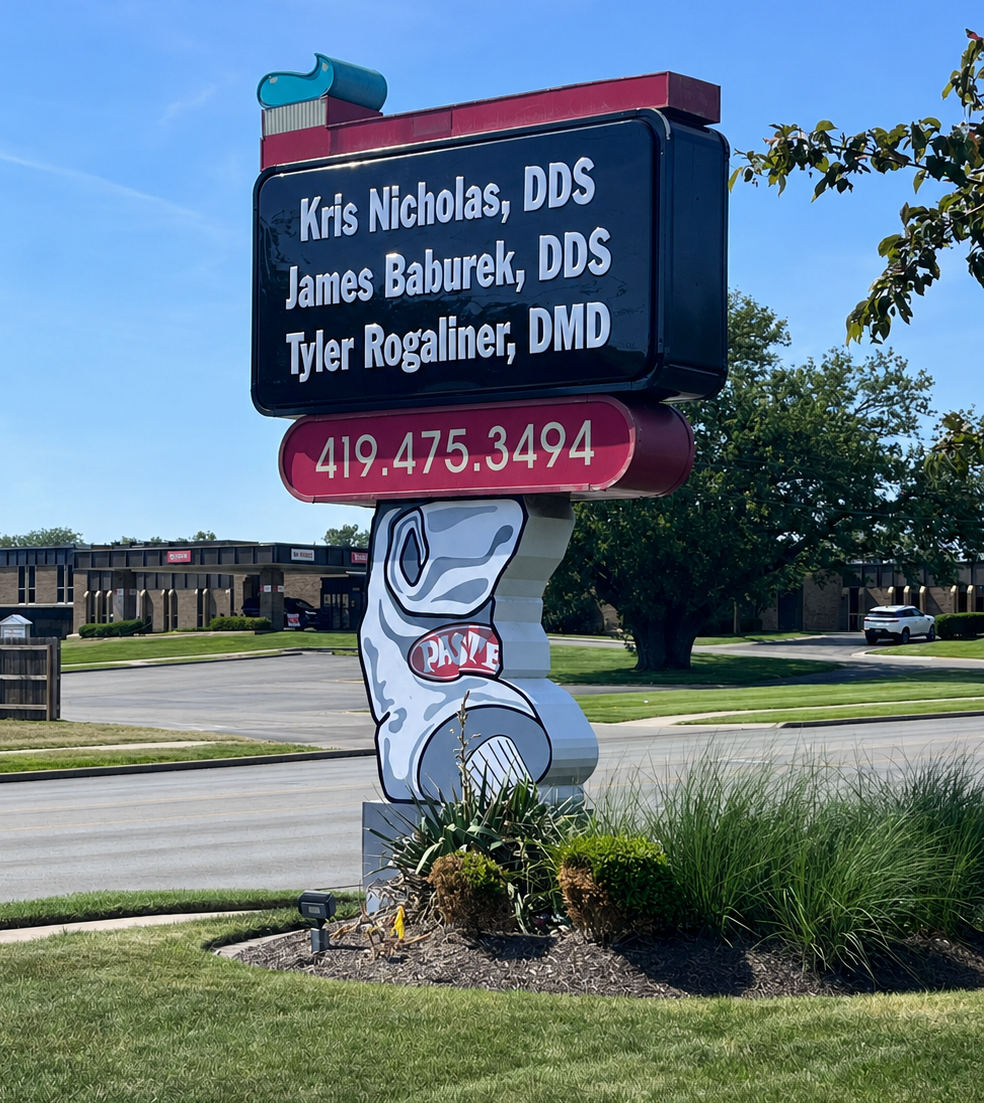
The Dental Office of Drs. Nicholas, Baburek & Rogaliner proudly serves patients throughout Toledo and nearby communities with comprehensive care for bad breath and other oral health concerns. Located on Secor Road, our experienced team helps patients uncover the source of persistent bad breath and develop personalized treatment plans that promote fresher breath, healthier gums, and long-term oral wellness.
We are proud to care for patients from communities including:
- Toledo
- Sylvania
- Holland
- Maumee
- Perrysburg
- Waterville
- Oregon
- Temperance
- Lambertville