Early Dental Care
Dental Care for Children Toledo, OH
From your baby’s first tooth to their first dental visit and beyond, our team provides gentle, age-appropriate care, practical guidance for parents, and a welcoming environment where little smiles can grow with confidence.

When Should My Child First See a Dentist?
The American Academy of Pediatric Dentistry recommends scheduling a child’s first dental visit when the first tooth appears or no later than their first birthday. This may seem early, especially if your baby only has one or two teeth. However, the first appointment is about more than checking for cavities.
By age one, many children have begun developing their first baby teeth. These teeth can develop decay as soon as they erupt. An early dental appointment gives your dentist an opportunity to examine developing teeth, evaluate oral health risks, and discuss brushing, feeding, teething, and fluoride use.
What Happens at Child’s First Dental Appointment?
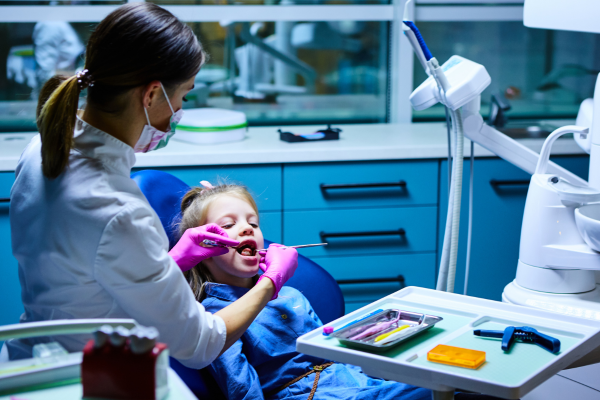
Your child’s first dental visit is generally shorter and simpler than an adult dental examination. The focus is on getting to know your child, examining their mouth, and helping parents feel confident about caring for developing teeth.
We may examine your child’s gums, emerging teeth, bite development, and oral tissues. For very young children, the examination may be performed while they sit comfortably on a parent’s lap.
Guidance for Parents and Caregivers
At your child’s dentist appointment, we answer common questions about:
- When and how to brush baby teeth
- Choosing the right toothbrush and toothpaste
- Teething symptoms and comfort measures
- Thumb sucking and pacifier habits
- Bottle feeding, breastfeeding, and nighttime routines
- Foods and drinks that contribute to cavities
- Fluoride and cavity prevention
How We Help Children Feel Comfortable at the Dentist
A positive first dental experience can help children become familiar with the sights, sounds, and people at a dental office. Our team encourages parents to ask questions, share concerns, and help their children approach dental visits with confidence. We offer blankets, stuffed animals, and calming videos to help your child feel comfortable.
Common Dental Concerns in Young Children
Parents often notice changes in their child’s mouth before the child can explain what they are feeling. Knowing which symptoms are typical and which deserve attention can help you respond appropriately.
Teething Discomfort
Teething may cause tender gums, increased drooling, and a desire to chew on objects. A chilled, solid teething ring or gentle gum massage may provide relief. High fever, significant diarrhea, or persistent illness should not automatically be attributed to teething. Contact your child’s medical provider if these symptoms occur.
White Spots or Brown Marks on Baby Teeth
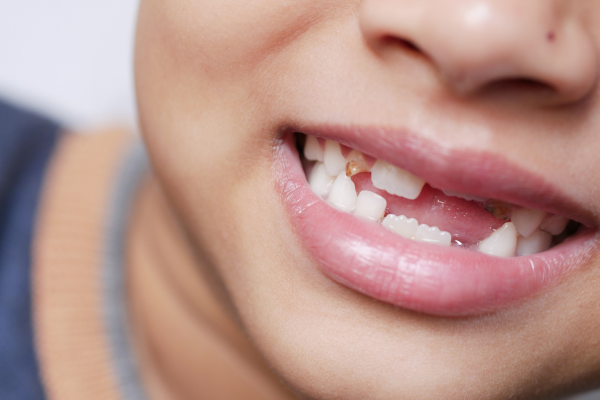
Chalky white spots near the gumline can be an early sign of enamel demineralization. Brown or dark areas may indicate tooth decay or other changes. Because early cavities may not cause pain, schedule a dental examination if you notice unusual spots or discoloration.
Thumb Sucking and Pacifier Habits
Thumb sucking and pacifier use are common during infancy and early childhood. However, prolonged or frequent habits can influence tooth alignment and bite development. Your dentist can help determine whether a habit is affecting your child’s teeth and when intervention may be beneficial.
Dental Injuries From Falls
Toddlers frequently fall while learning to walk, run, and play. If your child chips, loosens, or knocks out a tooth, contact a dentist promptly for guidance. A knocked-out baby tooth should never be placed back into the socket because doing so may damage the developing permanent tooth.
Frequently Asked Questions
Do Baby Teeth Really Need Dental Care?
Yes. Baby teeth are essential for chewing, speech development, and maintaining space for permanent teeth. Untreated cavities in baby teeth can cause pain, infection, and difficulty eating. Protecting primary teeth through regular dental visits and proper home care supports your child’s oral health and development.
When Should I Start Brushing My Baby’s Teeth?
Begin brushing as soon as your baby’s first tooth appears. Use a soft, infant-sized toothbrush and a smear of fluoride toothpaste approximately the size of a grain of rice. Brush twice daily, especially before bedtime. Before teeth appear, you can gently clean your baby’s gums with a soft, damp cloth.
Is Fluoride Toothpaste Safe for Babies and Toddlers?
Yes. Fluoride toothpaste is safe and recommended for young children when used in age-appropriate amounts. Children younger than three should use a rice-sized smear, while children ages three to six should use a pea-sized amount. Parents should supervise brushing and encourage children to spit out excess toothpaste when they are able.
How Can I Prevent Cavities in My Toddler?
Brush your toddler’s teeth twice daily with fluoride toothpaste, limit sugary snacks and drinks, and avoid putting your child to bed with a bottle containing anything other than water. Encourage healthy eating habits and schedule regular dental checkups. Our team can provide personalized recommendations to help protect your child’s developing teeth.
What if My Child Cries During Their First Dental Visit?
Crying or feeling nervous during a first dental appointment is common, especially for infants and toddlers. Our dental team works to create a welcoming environment where children can gradually become comfortable with dental care. Parents can help by speaking positively about the dentist, bringing a favorite comfort item, and reassuring their child throughout the visit.
How Often Should a Toddler See the Dentist?
Many toddlers benefit from dental checkups approximately every six months, although the ideal schedule depends on their cavity risk and individual oral health needs. Regular visits allow your dentist to monitor tooth development, identify early signs of decay, and provide preventive guidance as your child grows.
Can a Two-Year-Old Get Cavities?
Yes. Tooth decay can begin as soon as baby teeth appear, and children as young as two can develop cavities. Frequent exposure to sugary foods or drinks, inadequate brushing, and other risk factors can contribute to early childhood tooth decay. Regular dental examinations and consistent brushing with fluoride toothpaste help reduce the risk.

Schedule Dental Appointment
The Dental Office of Drs. Nicholas, Baburek & Rogaliner proudly serves patients throughout Toledo and nearby communities with comprehensive care for bad breath and other oral health concerns. Located on Secor Road, our experienced team helps patients uncover the source of persistent bad breath and develop personalized treatment plans that promote fresher breath, healthier gums, and long-term oral wellness.
We are proud to care for patients from communities including:
- Toledo
- Sylvania
- Holland
- Maumee
- Perrysburg
- Waterville
- Oregon
- Temperance
- Lambertville