
Bad Breath (Halitosis)
Bad Breath Treatment in Toledo, OH
Understand what causes chronic bad breath and how professional treatment can help.

Understanding Bad Breath and Finding Lasting Relief
Bad breath, also known as halitosis, is a common condition that affects millions of people and can have a significant impact on confidence and overall well-being. While occasional bad breath is normal, persistent or chronic bad breath may indicate an underlying dental or medical concern that requires professional attention.
We help patients identify the cause of bad breath and develop treatment plans designed to improve oral health and provide long-lasting relief.

What Causes Bad Breath?
Bad breath develops when bacteria accumulate inside the mouth and produce foul-smelling compounds. While certain foods can temporarily contribute to bad breath, persistent halitosis is often associated with an underlying oral health issue.
Understanding the source of bad breath is the first step toward finding an effective solution. Halitosis may be caused by:
Gum Disease
Periodontal disease is one of the most common causes of chronic bad breath. Harmful bacteria trapped beneath the gums can produce unpleasant odors while contributing to inflammation, gum recession, and bone loss.
Tongue Bacteria
The surface of the tongue contains tiny grooves where bacteria, food particles, and dead cells can accumulate. Regular tongue cleaning can help reduce odor-causing bacteria and improve breath freshness.
Poor Oral Hygiene
Food particles left between teeth and along the gumline can encourage bacterial growth. Without proper brushing and flossing, plaque buildup may lead to bad breath and increase the risk of cavities and gum disease.
Decay & Infection
Untreated cavities, cracked teeth, or dental infections may trap bacteria and contribute to unpleasant odors. Treating these conditions can often improve both oral health and breath quality.
Dry Mouth
Saliva plays crucial role in washing away bacteria and food debris. When saliva production decreases, bacteria can multiply easier, leading to persistent bad breath. Dry mouth may be caused by medications, mouth breathing and dehydration.
Diet & Lifestyle Habits
Foods such as onions, garlic, coffee, and certain spices can temporarily affect breath. Tobacco use and smoking are also major contributors to chronic bad breath.
Signs to See a Dentist for Bad Breath
Occasional bad breath after eating certain foods is normal. However, persistent symptoms may indicate an underlying condition that should be evaluated by a dental professional.
Bad Breath That Persists Throughout the Day
If brushing, flossing, and mouthwash provide only temporary improvement, there may be an underlying dental issue causing ongoing odor.
A Bad Taste in Your Mouth
A persistent metallic, bitter, or unpleasant taste may accompany chronic halitosis and can be associated with bacterial buildup or infection.
Bleeding or Swollen Gums
Inflamed gums often indicate gum disease, one of the leading causes of bad breath.
Dry Mouth Symptoms
Difficulty swallowing, sticky saliva, or a constant feeling of dryness may contribute to odor-producing bacteria.
Loose Teeth or Gum Recession
Changes in gum health can create spaces where bacteria accumulate, increasing the likelihood of persistent bad breath.

Can Bad Breath Be Prevented?
Many cases of halitosis can be prevented through consistent oral hygiene and routine dental care. Here are ways to prevent chronic bad breath:
Brush and Floss Daily
Removing food particles and plaque helps reduce bacteria that contribute to unpleasant odors.
Clean Your Tongue
Using a tongue scraper or toothbrush to remove bacteria from the tongue can improve breath quality.
Stay Hydrated
Drinking water throughout the day helps maintain saliva production and keeps the mouth naturally clean.
Schedule Routine Dental Visits
Regular examinations and cleanings allow your dentist to identify potential issues before they become more serious.
Avoid Tobacco Products
Smoking and tobacco use contribute to dry mouth, gum disease, staining, and persistent bad breath.
Frequently Asked Questions
What Is Halitosis?
Halitosis is the medical term for chronic bad breath. While occasional bad breath is normal, persistent odor may indicate an underlying dental concern such as gum disease, dry mouth, tooth decay, or bacteria buildup on the tongue.
Can Gum Disease Cause Bad Breath?
Yes. Gum disease is one of the most common causes of persistent bad breath. Bacteria trapped below the gumline can produce unpleasant odors while also contributing to inflammation, bleeding gums, gum recession, and bone loss.
Does Dry Mouth Cause Bad Breath?
Yes. Saliva helps wash away food particles and bacteria. When the mouth becomes dry, odor-causing bacteria can build up more easily, leading to chronic bad breath. Dry mouth may be caused by medications, dehydration, mouth breathing, or certain health conditions.
Can Cavities Cause Bad Breath?
Yes. Untreated cavities can trap bacteria and food particles, which may lead to unpleasant odors. Treating tooth decay can improve both your oral health and your breath.
When Should I See a Dentist for Bad Breath?
If bad breath persists despite brushing, flossing, and using mouthwash, it is important to schedule a dental evaluation. You should also see a dentist if bad breath is accompanied by bleeding gums, tooth pain, dry mouth, a bad taste, or loose teeth.
Schedule Dental Appointment
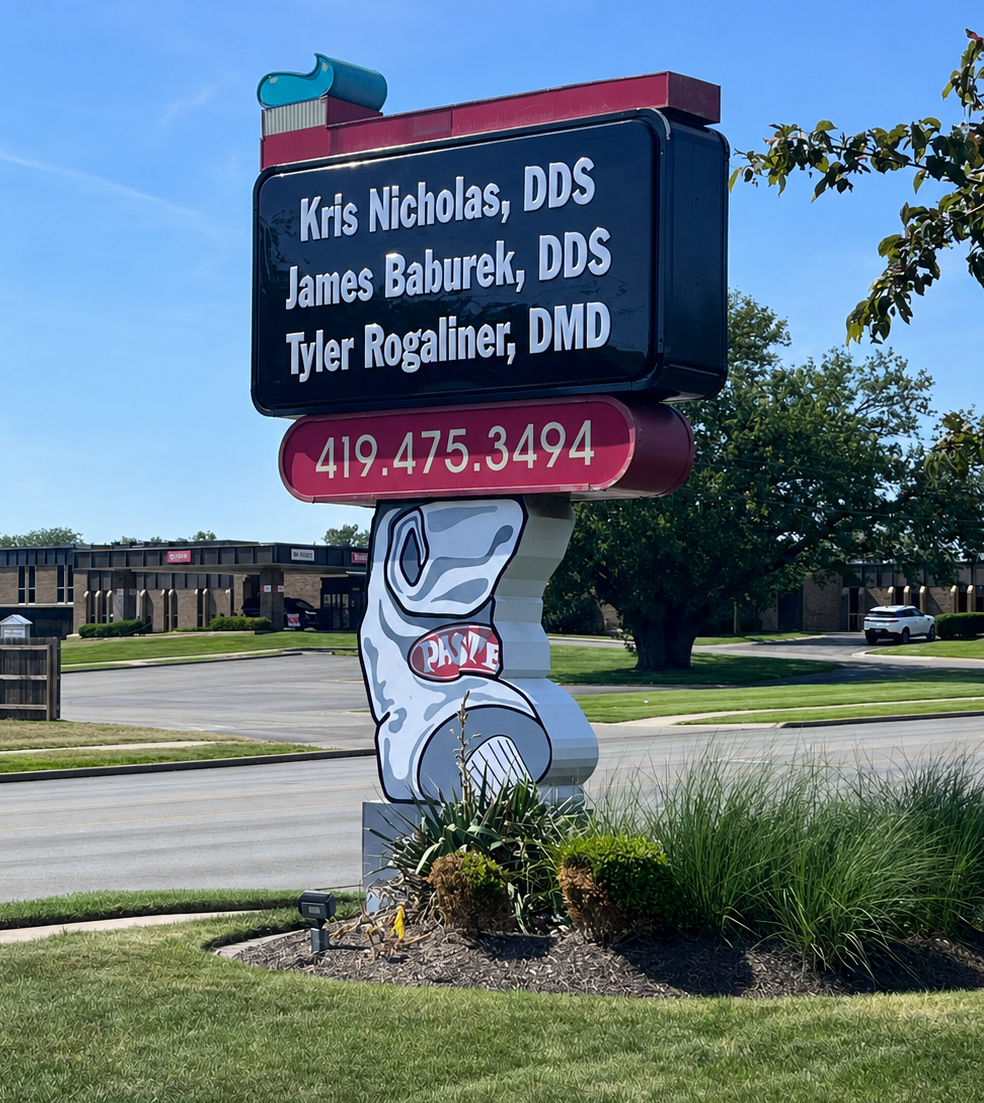
The Dental Office of Drs. Nicholas, Baburek & Rogaliner proudly serves patients throughout Toledo and nearby communities with comprehensive care for bad breath and other oral health concerns. Located on Secor Road, our experienced team helps patients uncover the source of persistent bad breath and develop personalized treatment plans that promote fresher breath, healthier gums, and long-term oral wellness.
We are proud to care for patients from communities including:
- Toledo
- Sylvania
- Holland
- Maumee
- Perrysburg
- Waterville
- Oregon
- Temperance
- Lambertville