
Gum Disease Treatment in Toledo, OH
Early gum disease detection and periodontal treatment can help prevent tooth loss and improve your long-term dental health.
The Truth About Gum Disease
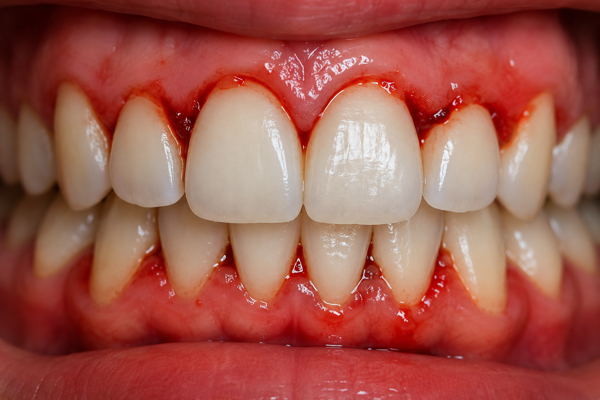
Bleeding gums are not normal.
If your gums bleed when brushing, feel swollen, or have begun pulling away from your teeth, you may be experiencing the early stages of gum disease. We provide comprehensive gum disease treatment in Toledo, Ohio to help patients restore their oral health, preserve their natural teeth, and prevent future complications.
Our team has proudly served Toledo families for more than 50 years, helping patients from Toledo, Sylvania, Ottawa Hills, Maumee, Holland, and Perrysburg maintain healthy smiles for life.
What Causes Gum Disease?
Gum disease is caused by a buildup of plaque, a sticky form of bacteria that forms on the teeth. If the plaque is not removed by flossing, brushing, and regular dental checkups, it will continue to build up and create toxins that can damage the gums.
Periodontal disease forms just below the gum line and creates small pockets that separate the gums from the teeth. It has two stages: gingivitis and periodontitis.
• Gingivitis — This is the early stage of gum disease, when the gums become red and swollen, and bleed easily. At this stage, the disease is treatable and can usually be eliminated by daily brushing and flossing.
• Periodontitis — If left untreated, gingivitis will advance into periodontitis. The gums and bone that support the teeth will become seriously and irreversibly damaged. Gums infected with periodontitis can cause teeth to become loose, fall out, or require removed by a dentist.
While it’s possible to have periodontal disease and not know it, symptoms can include:
Red, swollen, tender gums
Gums that have pulled away from the teeth
Persistent bad breath or unpleasant taste in the mouth
Pus between your teeth and gums
Loose or separating permanent teeth
Any change in the way your teeth fit together when you bite
Any change in the fit of partial dentures
Treating Gum Disease
Treatments for gum disease can vary, depending on the severity of each individual case. Typical treatments include dental implants, periodontal surgery and laser gum surgery, and non-surgical treatments such as at-home periodontal trays, and scaling and root planning (deep cleaning).
Preventing Gum Disease
important for maintaining your health and the health of your smile. You don’t have to lose teeth to periodontal disease. By practicing good oral hygiene at home, you can significantly reduce your chances of ever getting it. Research shows that bacteria associated with gum disease are also part of or play a role in many other medical problems including heart disease and diabetes. Remember to brush regularly, clean between your teeth, eat a balanced diet, and schedule regular dental visits to help keep your smile healthy.