Temporomandibular Joint (TMJ)
TMJ Treatment in Toledo, OH
If you’re experiencing clicking or popping in your jaw or frequent headaches, let us help identify causes and explore treatment options to improve your comfort and jaw function.
What is TMJ Disorder?
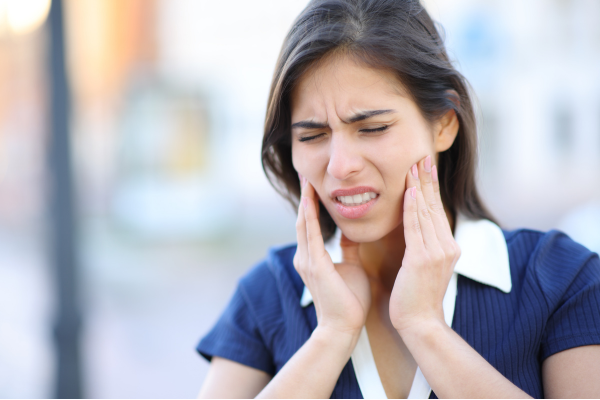
TMJ stands for temporomandibular joint, the joint that connects your lower jaw to your skull on each side of your face. These joints allow you to talk, chew, yawn, and move your jaw comfortably. When the jaw joints or surrounding muscles become painful or stop functioning properly, the condition is known as a temporomandibular disorder (TMD), commonly called TMJ.
TMJ disorders can cause jaw pain, clicking or popping sounds, headaches, facial discomfort, and difficulty opening or closing your mouth. Symptoms may be temporary or persistent, and they can interfere with everyday activities.
What Causes TMJ Disorders?
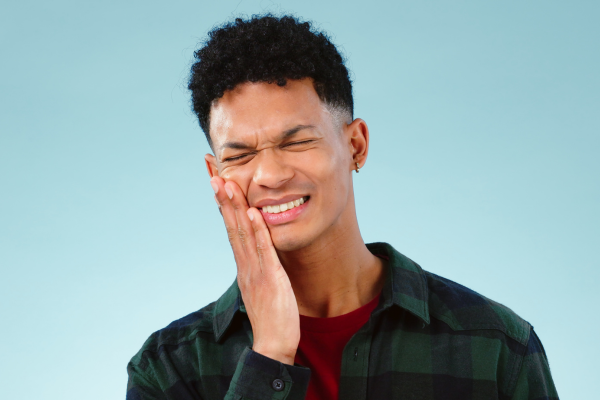
Identifying possible contributing factors is an important part of determining how to manage TMJ-related discomfort. Common factors include:
-
Teeth grinding or clenching (bruxism): Repeated pressure can strain the jaw muscles and contribute to discomfort.
-
Jaw injuries: Trauma to the jaw or surrounding tissues can affect joint function.
-
Arthritis: Osteoarthritis and inflammatory arthritis can affect the temporomandibular joints.
-
Joint disc problems: The cushioning disc inside the jaw joint may shift or become damaged.
-
Muscle tension: Tight or overworked jaw muscles can contribute to pain and limited movement.
-
Stress: Stress can increase jaw clenching and muscle tension, potentially worsening symptoms.
Signs to See a Dentist for TMJ
Occasional jaw discomfort may improve with rest and simple self-care. However, persistent or worsening symptoms should not be ignored. Consider scheduling a dental appointment if you experience:
- Jaw pain that continues or frequently returns
- Difficulty opening your mouth fully
- Pain when chewing or speaking
- Frequent jaw locking or stiffness
- Headaches accompanied by jaw tenderness
- Symptoms that interfere with eating, sleeping, or daily activities
Our team can examine your jaw movement, discuss your symptoms, and help determine whether your discomfort may be related to a TMJ disorder or another condition.
Common Symptoms of TMJ
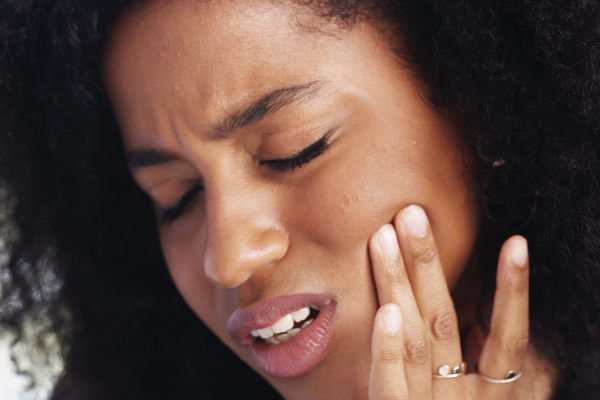
TMJ Disorder symptoms vary from person to person. Some patients experience occasional discomfort, while others develop persistent pain that affects eating, speaking, or sleeping.
Common signs include:
- Pain or tenderness in the jaw
- Clicking, popping, or grinding sounds when moving the jaw
- Difficulty chewing or discomfort while eating
- Jaw stiffness or limited movement
- A jaw that occasionally locks open or closed
- Pain around the ears without an obvious ear problem
- Facial pain or tension
- Headaches associated with jaw muscle discomfort
- Changes in how the upper and lower teeth fit together
Not every clicking or popping jaw requires treatment. However, if these sounds are accompanied by pain, locking, or difficulty moving your jaw, a dental evaluation may be helpful.

Relieve TMJ Pain at Home
If you’re experiencing mild TMJ discomfort, several self-care strategies may help:
- Eat softer foods: Choose foods that require less chewing while your jaw is sore.
- Avoid chewing gum: Repetitive chewing can aggravate already strained jaw muscles.
- Apply warm or cold compresses: These may temporarily ease muscle soreness and discomfort.
- Avoid opening your mouth too wide: Be mindful when yawning or taking large bites.
- Practice jaw relaxation: Keep your teeth slightly apart when you’re not eating or swallowing.
- Manage stress: Relaxation exercises may help reduce unconscious jaw clenching.
If your symptoms persist, worsen, or interfere with daily activities, schedule an appointment.
Frequently Asked Questions
Can a Dentist Treat TMJ Disorders?
Yes. Dentists can evaluate jaw pain, identify potential causes, and recommend treatment options. Depending on your symptoms, treatment may include custom oral appliances, jaw exercises, lifestyle changes, or referral to a specialist.
Can TMJ Disorder Go Away on Its Own?
Yes, some TMJ symptoms improve on their own with rest and simple self-care. However, persistent jaw pain, clicking accompanied by discomfort, or difficulty chewing may require professional evaluation and treatment.
Is Jaw Clicking a Sign of TMJ Disorder?
Jaw clicking or popping can be a symptom of TMJ disorder, but it does not always indicate a problem. If clicking is accompanied by pain, stiffness, locking, or difficulty opening your mouth, schedule an evaluation with your dentist.
Can Teeth Grinding Cause TMJ Pain?
Yes. Grinding or clenching your teeth, especially during sleep, can strain your jaw muscles and contribute to TMJ discomfort. A custom nightguard may help protect your teeth, although it is not the right treatment for every TMJ disorder.
What Is the Best Treatment for TMJ Pain?
The best TMJ treatment depends on the cause and severity of your symptoms. Common options include jaw exercises, physical therapy, stress management, temporary dietary changes, and certain oral appliances. Our Toledo dental team can help evaluate your symptoms and discuss appropriate next steps.
How Long Does TMJ Pain Last?
TMJ pain may last a few days, several weeks, or longer, depending on the underlying cause. Some patients experience occasional flare-ups, while others have persistent symptoms. If your jaw pain continues or worsens, a dental evaluation can help identify possible causes.
Can TMJ Disorders Cause Headaches and Ear Pain?
Yes. TMJ disorders can contribute to headaches, facial discomfort, and pain around the ears. Because the jaw joints are located close to the ears, inflammation or muscle tension may cause discomfort in these areas. However, headaches and ear pain can have other causes that should also be considered.
Schedule Dental Appointment
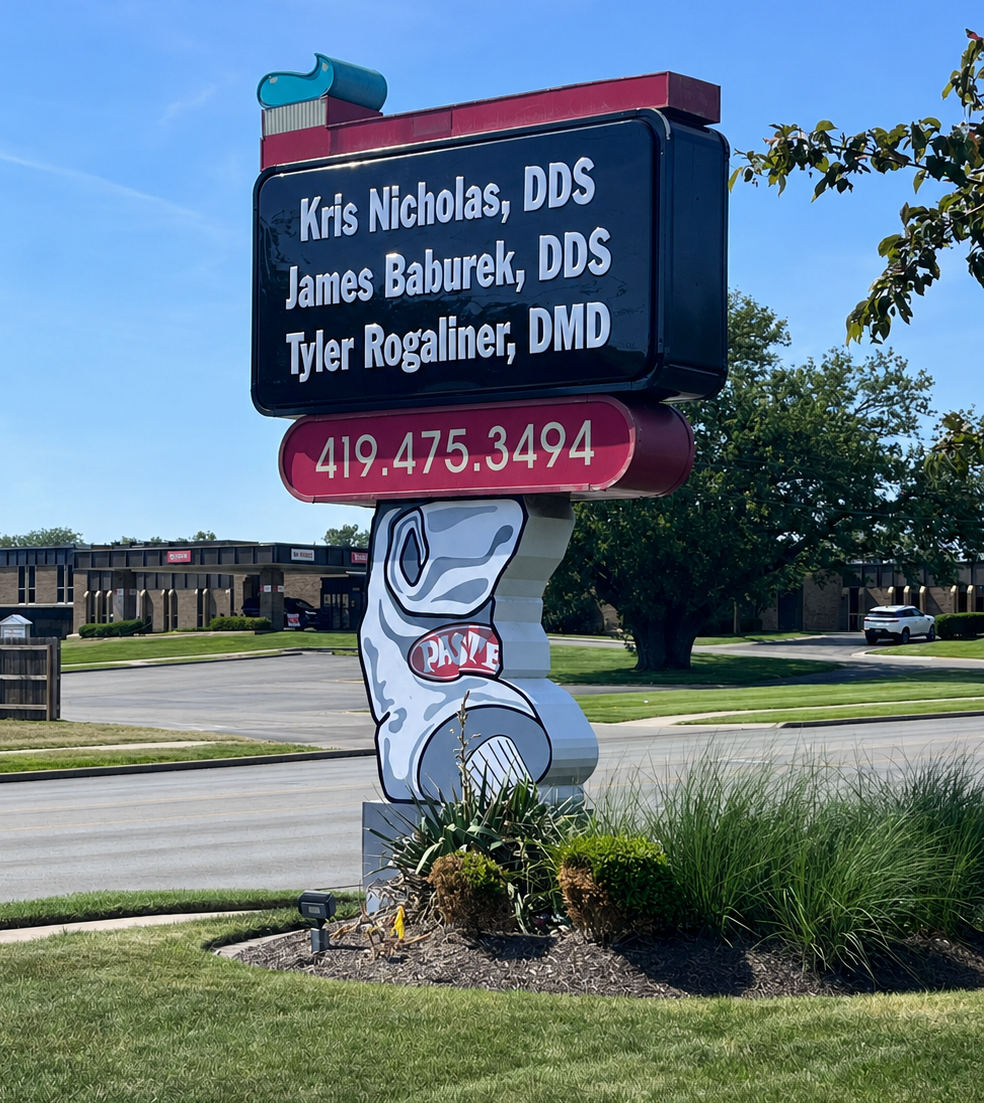
The Dental Office of Drs. Nicholas, Baburek & Rogaliner proudly serves patients throughout Toledo and nearby communities with comprehensive care for bad breath and other oral health concerns. Located on Secor Road, our experienced team helps patients uncover the source of persistent bad breath and develop personalized treatment plans that promote fresher breath, healthier gums, and long-term oral wellness.
We are proud to care for patients from communities including:
- Toledo
- Sylvania
- Holland
- Maumee
- Perrysburg
- Waterville
- Oregon
- Temperance
- Lambertville