Restorative Services
Tooth Filling, Root Canal, Crowns & Bridges, Dental Implants, Dentures
Smile with confidence.
Sometimes our teeth need extra care, and we’re here to help.

Restorative Dentistry in Toledo
Restorative dentistry refers to the various ways we are able to replace missing teeth or repair missing parts of the tooth structure. Tooth structure can be missing due to decay or fracture of a tooth.
,
Tooth Fillings
Root Canals
Tooth Decay
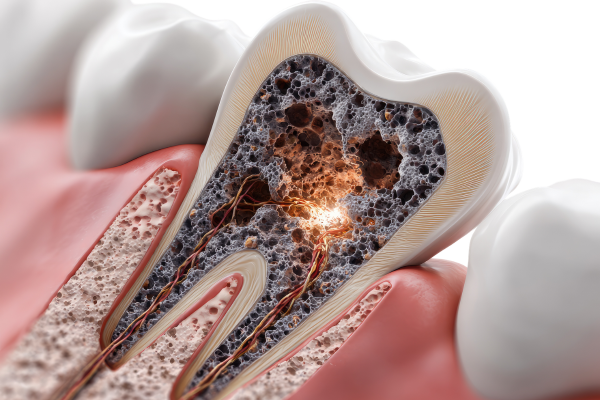
When your teeth and gums are consistently exposed to large amounts of starches and sugars, acids may form that begin to eat away at tooth enamel. Carbohydrate-rich foods such as candy, cookies, soft drinks, and even fruit juices leave deposits on your teeth. Those deposits bond with the bacteria that normally survive in your mouth and form plaque. The combination of deposits and plaque forms acids that can damage the mineral structure of teeth, with tooth decay resulting.

Tooth Extractions
Depending on the complexity of the case, an extraction can be performed surgically or non-surgically. We offer complimentary Nitrous Oxide (laughing gas), numbing gels and other comforts to help make your procedure as comfortable as possible.
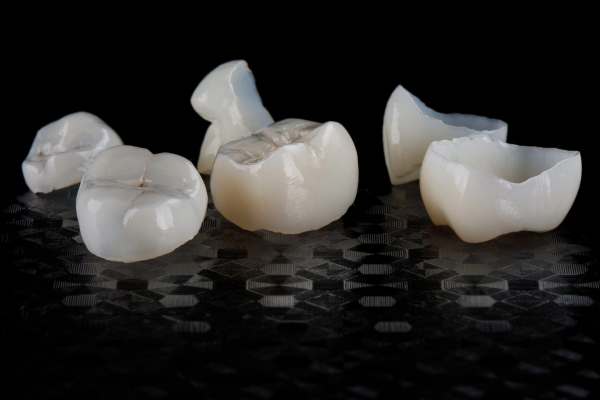
Crowns
Crowns can be made of porcelain, metal, or both. Porcelain crowns are most often preferred because they mimic the look of natural teeth and are very strong.
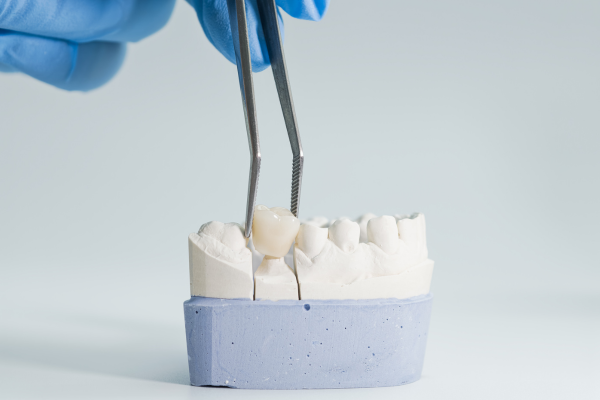
Bridges
In addition to preserving oral health, bridges can improve chewing ability, speech, and overall comfort. By replacing missing teeth, a bridge helps distribute biting forces evenly, reducing unnecessary stress on surrounding teeth.

Dental Implants
A replacement tooth is then fixed to the post. The tooth can be either permanently attached or removable. Permanent teeth are more stable and feel more like natural teeth.
The ideal candidate for implants is a non-smoker who has good oral health, including a sufficient amount of bone in the jaw, and healthy gums with no sign of gum disease.
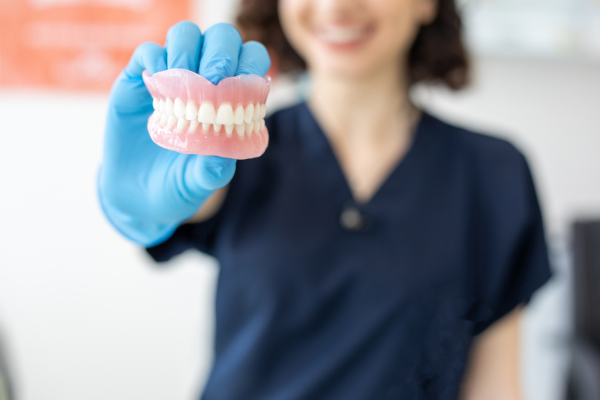
Dentures
There are three main types of dentures. Full Dentures replace all teeth in the upper or lower arch when natural teeth are no longer present. Partial Dentures replace one or more missing teeth and attach to existing natural teeth for support. Implant-Supported Dentures are secured to dental implants, providing enhanced stability, comfort, and function that closely resemble natural teeth.
No matter which option is right for you, dentures can help restore your ability to eat, speak, and smile with confidence while maintaining the appearance and health of your mouth.
