Orthodontic Problems
Orthodontic Problems in Toledo, OH
Crooked teeth, overcrowding, and bite problems can affect more than just your smile. We identify orthodontic concerns and explore options for improving dental alignment.
Common Types of Orthodontic Problems
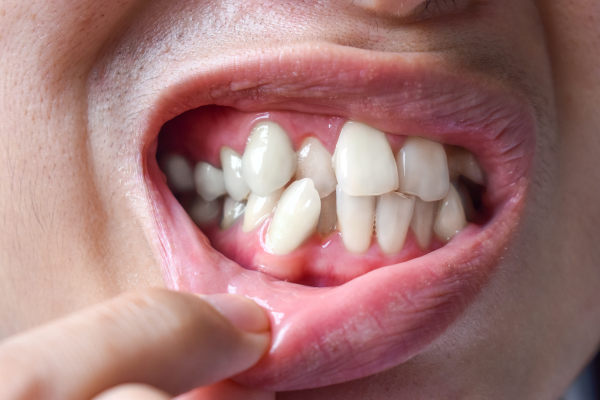
Orthodontic concerns are not limited to crooked teeth. Understanding the type of alignment problem you have is the first step toward finding an appropriate solution. Some orthodontic problems are noticeable, such as overlapping front teeth or a large gap between teeth. Others are less obvious, including uneven bite pressure, teeth that do not make proper contact, or changes in alignment over time. Common types include:
- Crowded or Overlapping Teeth
- Gaps Between Teeth
- Overbite and Deep Bite
- Underbite
- Crossbite
- Open Bite
What Causes Crooked Teeth and Bite Problems?
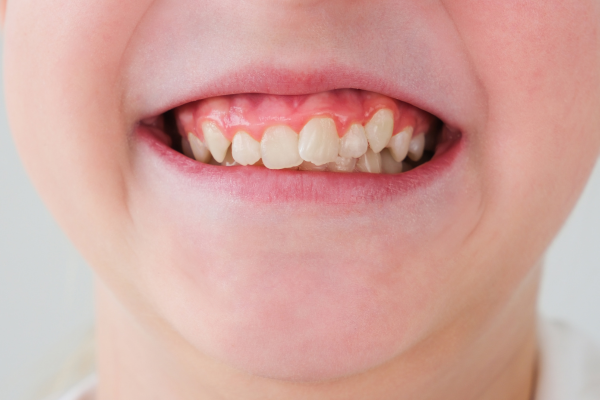
Orthodontic problems can develop during childhood or appear later in adulthood. Some are inherited, while others result from changes in the teeth, jaws, or surrounding structures. Common contributing factors include:
- Genetics: Jaw size, tooth size, and natural tooth positioning can run in families.
- Crowding during development: Permanent teeth may not have enough space to emerge in proper alignment.
- Prolonged childhood habits: Thumb sucking or extended pacifier use can influence tooth positioning and bite development.
- Early loss of baby teeth: Losing primary teeth prematurely may allow neighboring teeth to shift.
- Missing permanent teeth: Gaps can allow surrounding teeth to move out of position.
- Gum disease: Loss of supporting bone and tissue can cause adult teeth to shift or separate.
- Dental injuries: Trauma may change tooth position or affect jaw development.
Not all orthodontic problems can be prevented. However, regular dental examinations can help identify developing concerns and determine when additional evaluation may be beneficial.
Signs You May Need an Orthodontic Evaluation
You do not need severely crooked teeth to benefit from an orthodontic assessment. Sometimes the first indication of an alignment problem is a change in how your teeth feel or function.
Consider scheduling a dental evaluation if you notice:
-
Teeth that overlap, twist, or appear crowded
-
Upper and lower teeth that do not meet comfortably
-
Difficulty biting into or chewing certain foods
-
Frequent accidental biting of your cheeks or tongue
-
Uneven or excessive wear on certain teeth
-
Teeth that appear to be shifting or developing new gaps
-
Difficulty cleaning between closely positioned teeth
-
Concerns about the appearance of your smile
Why Your Bite Matters Beyond Appearance
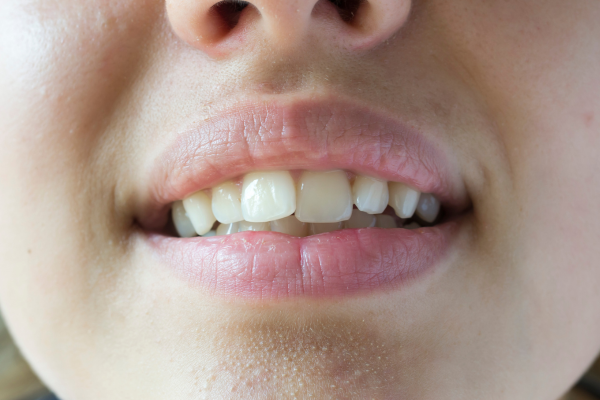
Your bite describes how your upper and lower teeth come together. When teeth are properly aligned, biting and chewing forces can be distributed more evenly.
Significant bite problems may contribute to uneven tooth wear, difficulty chewing, or challenges maintaining oral hygiene.
Not every imperfect bite requires treatment, and jaw pain does not automatically mean you need orthodontics. A dental examination can help determine whether alignment is affecting your oral health.
Is It Too Late to Straighten Your Teeth?
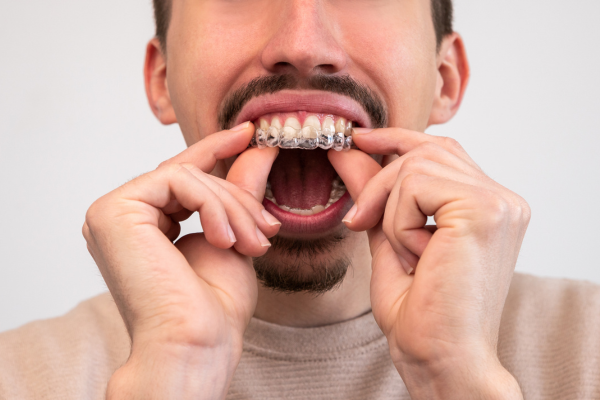
There is no specific age limit for orthodontic treatment. Adults with healthy teeth and gums may be candidates for Invisalign or other orthodontic options.
Before beginning treatment, we will evaluate factors such as gum health, bone support, existing dental work, and the amount of tooth movement needed.
Frequently Asked Questions
What Is the Most Common Orthodontic Problem?
Crowded or crooked teeth are among the most common orthodontic problems. Other frequent concerns include gaps between teeth, overbites, underbites, crossbites, and open bites. The best treatment depends on the type and severity of the alignment issue.
Can a General Dentist Help With Orthodontic Problems?
Yes. A general dentist can evaluate crooked teeth, bite problems, and dental crowding to determine whether treatment is necessary. Our team can assess your concerns and discuss options such as Invisalign for qualifying patients or referral to an orthodontic specialist.
Can Invisalign Fix Orthodontic Problems?
Invisalign can correct many common orthodontic problems, including crooked teeth, mild to moderate crowding, gaps, and certain bite alignment issues. However, not every patient is a candidate for clear aligners. A dental evaluation can help determine whether Invisalign is appropriate for your smile.
What Happens if Crooked Teeth Are Left Untreated?
Not all crooked teeth require treatment. However, significant crowding can make brushing and flossing more difficult, increasing the risk of plaque buildup and gum problems. Certain bite problems may also contribute to uneven tooth wear or difficulty chewing. Our Toledo dental team can help determine whether treatment would benefit your oral health.
Why Are My Teeth Becoming Crooked as an Adult?
Teeth can naturally shift throughout adulthood due to aging, previous orthodontic relapse, missing teeth, or gum disease. If you notice new gaps, increasing crowding, or changes in how your teeth fit together, schedule a dental examination to identify the possible cause.
Can Orthodontic Problems Cause Jaw Pain?
Certain bite problems may contribute to discomfort when chewing, but jaw pain can have several causes, including temporomandibular disorders (TMD). Orthodontic treatment is not a proven general cure for TMJ pain. A dental evaluation can help identify whether your symptoms are related to tooth alignment or another condition.
Schedule Dental Appointment
The Dental Office of Drs. Nicholas, Baburek & Rogaliner proudly serves patients throughout Toledo and nearby communities with comprehensive care for bad breath and other oral health concerns. Located on Secor Road, our experienced team helps patients uncover the source of persistent bad breath and develop personalized treatment plans that promote fresher breath, healthier gums, and long-term oral wellness.
We are proud to care for patients from communities including:
- Toledo
- Sylvania
- Holland
- Maumee
- Perrysburg
- Waterville
- Oregon
- Temperance
- Lambertville