Baby Teething
Teething Care and Relief in Toledo, OH
We help parents understand what to expect as baby teeth emerge, how to safely soothe teething discomfort, and when to schedule their child’s first dental visit. We’re here to help your little one’s smile get off to a healthy start.
Common Symptoms of Teething
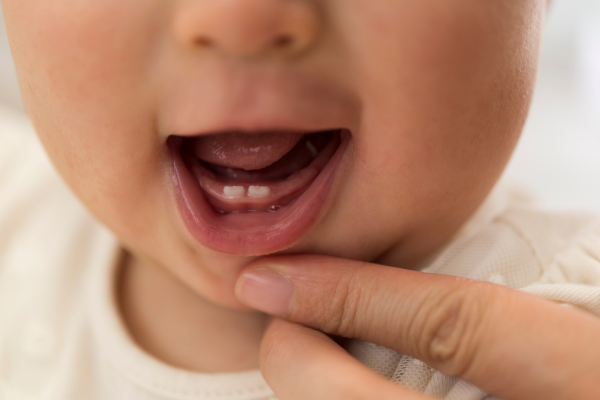
Teething is the natural process of a baby’s first teeth, also called primary or baby teeth, emerging through the gums. Most babies begin teething around six months of age, although some develop their first tooth earlier or later.
Teething symptoms vary from child to child. Some babies show little discomfort, while others experience noticeable changes as their teeth emerge. Common signs include:
- Increased drooling
- Tender or slightly swollen gums
- Chewing on fingers, toys, or other safe objects
- Mild fussiness or irritability
- Rubbing the gums or putting hands in the mouth
- Mild redness or irritation around the mouth from drooling
When Should You Call a Dentist About Teething?
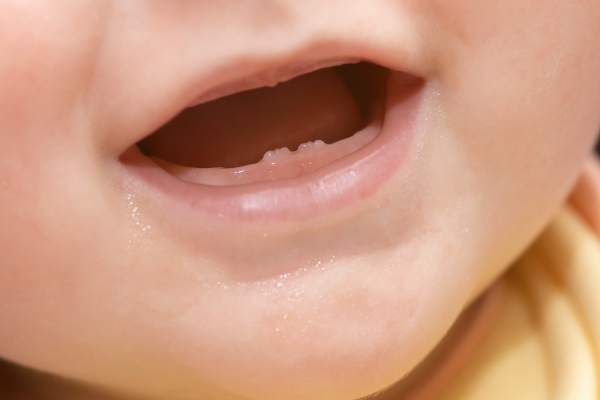
Most babies do not need a special dental appointment solely because they are teething. However, certain symptoms or developmental concerns deserve professional attention. Contact a dentist if you notice:
- Unusual swelling, bleeding, or changes in the gums
- A tooth emerging in an unexpected position
- A baby tooth that appears chipped, discolored, or damaged
- Concerns about delayed tooth eruption
- White or brown spots on newly erupted teeth
- Difficulty cleaning your baby’s teeth
- Questions about tooth development or oral hygiene
When Should You Contact Your Pediatrician?
Call your pediatrician if your baby develops a fever, significant diarrhea, vomiting, dehydration, difficulty feeding, or persistent inconsolable crying. These symptoms may indicate an illness unrelated to teething.
Baby Teeth Eruption Timeline
The following ages are approximate. Teeth may emerge earlier or later without indicating a problem.
| Baby Teeth | Typical Eruption Age |
|---|---|
| Lower central incisors | 6–10 months |
| Upper central incisors | 8–12 months |
| Upper and lower lateral incisors | 9–16 months |
| First molars | 13–19 months |
| Canines | 16–23 months |
| Second molars | 23–33 months |
What if My Baby Has No Teeth at 12 Months?
Some healthy babies develop teeth later than others. If your baby has not developed a tooth by their first birthday, schedule a dental exam to discuss their development. A dentist can evaluate their gums and determine whether additional assessment is necessary.
Teething Remedies Parents Should Avoid
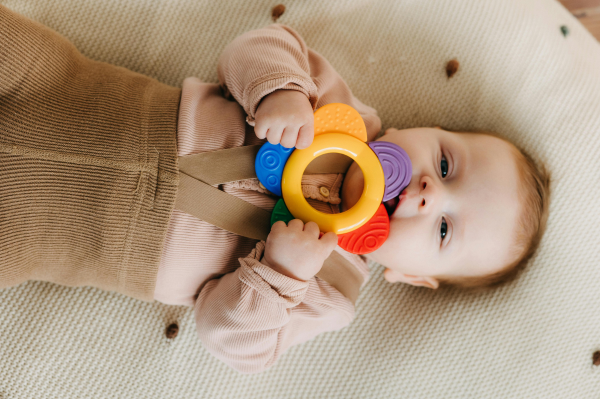
Not every product marketed for teething is safe for infants. Some popular remedies provide little benefit and may create unnecessary risks.
Avoid Numbing Teething Gels
The U.S. Food and Drug Administration warns against using teething products containing benzocaine or lidocaine. These medications can cause serious side effects, including dangerous changes in the blood’s ability to carry oxygen.
Do Not Use Amber Teething Necklaces
Amber necklaces, bracelets, and other teething jewelry can create choking and strangulation hazards. There is no reliable scientific evidence that amber jewelry relieves teething discomfort.
Avoid Homeopathic Teething Tablets
Some homeopathic teething products have been associated with potentially dangerous ingredients and inconsistent manufacturing. Safer options include gentle gum massage and refrigerated teething rings.
Avoid Frozen Objects and Choking Hazards
Do not give babies frozen teething rings, ice cubes, hard food pieces, or small objects that could break apart. Always supervise your baby when using teething products.
Frequently Asked Questions
At What Age Do Babies Usually Start Teething?
Most babies begin teething around six months of age, although their first tooth may appear earlier or later. The lower front teeth are usually the first to emerge. Every baby’s development is different, so variations in timing are common. If your baby has no teeth by their first birthday, consider scheduling a dental evaluation.
How Can I Soothe My Baby’s Teething Pain Naturally?
You can gently massage your baby’s gums with a clean finger, offer a firm teething ring chilled in the refrigerator, or provide a cool, damp washcloth to chew on under close supervision. Avoid frozen objects, numbing gels, and teething jewelry because they may pose safety risks.
Can Teething Cause a Fever?
Teething may coincide with a slight increase in body temperature, but it does not cause a true fever of 100.4°F (38°C) or higher. If your baby develops a fever, contact their pediatrician rather than assuming teething is responsible. A fever in a baby younger than three months requires prompt medical evaluation.
Does Teething Cause Diarrhea?
No. Teething is not considered a cause of diarrhea. Although drooling and chewing are common during tooth eruption, persistent loose stools may indicate an unrelated illness. Contact your child’s pediatrician if diarrhea occurs, particularly if your baby has a fever, is feeding poorly, or shows signs of dehydration.
How Long Does Teething Pain Usually Last?
Mild teething discomfort often occurs for a few days around the time an individual tooth emerges. Because baby teeth erupt at different times throughout infancy and toddlerhood, symptoms may come and go. Persistent severe pain, prolonged crying, or unusual behavior should be evaluated by a healthcare professional.
When Should I Start Brushing My Baby’s Teeth?
Begin brushing as soon as your baby’s first tooth appears. Use a soft, infant-sized toothbrush and a smear of fluoride toothpaste approximately the size of a grain of rice. Brush twice daily, including before bedtime. You can also gently clean your baby’s gums with a soft, damp cloth before the first tooth emerges.

Schedule Dental Appointment
The Dental Office of Drs. Nicholas, Baburek & Rogaliner proudly serves Toledo and surrounding communities with comprehensive dental care for the whole family. Located on Secor Road, our experienced team provides personalized treatment, preventive care, and education to help patients of every age achieve healthy, confident smiles.
We are proud to care for patients from communities including:
- Toledo
- Sylvania
- Holland
- Maumee
- Perrysburg
- Waterville
- Oregon
- Temperance
- Lambertville