Sensitive Teeth
Tooth Sensitivity Treatment in Toledo, OH
Learn what causes sensitive teeth and how to treat it. We offer professional sensitivity treatments for long-term comfort and protection.

Solutions for Sensitive Teeth
If eating ice cream, drinking coffee, or breathing in cold air causes sudden tooth discomfort, you may be experiencing tooth sensitivity.
At our office, we help patients identify the underlying causes of sensitive teeth and provide treatment options designed to relieve discomfort and protect long-term oral health. Tooth sensitivity is common, but it should never be ignored. In many cases, sensitivity is an early sign of an underlying dental issue that can be treated before it becomes more serious.
What Causes Sensitive Teeth?
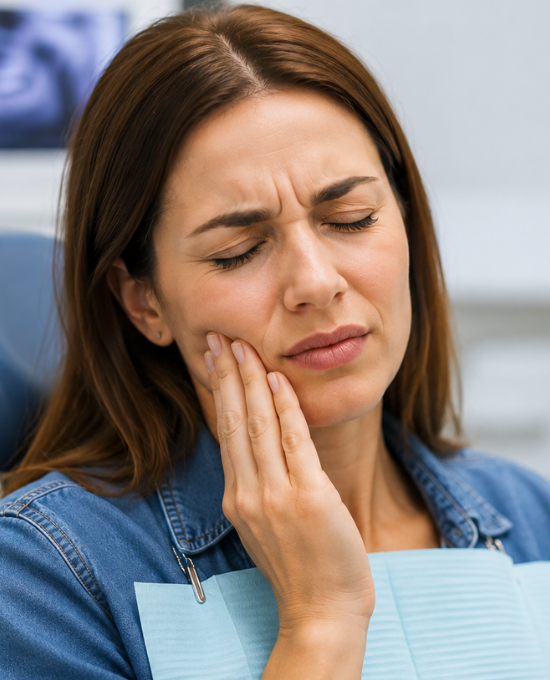
Tooth sensitivity occurs when the protective outer layer of the tooth, known as enamel, becomes worn down or when the underlying dentin becomes exposed. Dentin contains thousands of tiny channels that connect directly to the nerves inside the tooth. When these channels are exposed, hot, cold, sweet, or acidic foods and beverages can trigger sudden discomfort or pain.
While occasional sensitivity is common, persistent sensitivity often indicates an underlying concern that should be evaluated by a dentist. Early identification can help prevent more extensive treatment and improve long-term oral health.
Common causes of sensitive teeth include:
Gum Recession
As gums recede, the roots of the teeth become exposed. Unlike the visible portion of the tooth, the root surface is not protected by enamel, making it much more susceptible to temperature changes and irritation. Gum recession may be caused by gum disease, aggressive brushing habits, teeth grinding, or the natural aging process.
Cracked Teeth
Even small cracks or fractures can expose the inner layers of a tooth and allow heat, cold, or biting pressure to irritate the nerve. Cracks may develop from trauma, chewing hard foods, teeth grinding, or everyday wear. Because cracks can worsen over time, prompt evaluation is recommended.
Worn Tooth Enamel
Enamel serves as the protective outer layer of the tooth, shielding the sensitive inner structures from external stimuli. Over time, enamel can wear away due to aggressive brushing, frequent consumption of acidic foods and beverages, teeth grinding, acid reflux, or normal wear and tear. As enamel thins, sensitivity often becomes more noticeable.
Gum Disease
Inflammation caused by periodontal disease can lead to gum recession, bone loss, and exposure of sensitive root surfaces. Patients with gum disease frequently experience increased sensitivity, especially when consuming cold foods or beverages. Treating the underlying gum infection can often help reduce discomfort.
Cavities
Tooth decay can create small openings in the enamel, allowing temperature changes, sugary foods, and pressure to reach the deeper layers of the tooth. Sensitivity that occurs in a specific tooth, particularly when eating sweets or drinking cold beverages, may indicate the presence of a cavity.
Recent Dental Treatment
Temporary tooth sensitivity is common following certain dental procedures, including professional cleanings, fillings, crowns, teeth whitening, or orthodontic treatment. In most cases, this sensitivity improves within a few days or weeks. However, persistent discomfort should be evaluated to rule out other concerns.
Common Symptoms of Tooth Sensitivity
Tooth sensitivity can range from mild discomfort to sharp, sudden pain that interferes with everyday activities. While symptoms may come and go, persistent sensitivity often indicates an underlying dental issue that should be evaluated by a dentist. Patients experiencing tooth sensitivity may notice one or more of the following symptoms.
Pain with Cold Foods or Drinks
Discomfort when consuming ice water, soda, ice cream, or other frozen treats is one of the most common signs of tooth sensitivity. Exposure to cold temperatures can stimulate exposed dentin or irritated nerves, resulting in a brief but noticeable sensation.
Sensitivity to Heat
Pain or discomfort while drinking hot coffee, tea, soup, or other warm beverages may indicate worn enamel, gum recession, or damage to the tooth structure. Increased sensitivity to heat should be evaluated, especially if symptoms persist or worsen over time.
Sensitivity to Sweet Foods
Candy, desserts, sugary beverages, and other sweet foods can sometimes trigger tooth pain. This type of sensitivity may occur when enamel has worn away, exposing the inner layers of the tooth, or when decay has begun to develop.
Pain When Brushing
Sensitivity experienced while brushing or flossing may be associated with gum recession, enamel erosion, or inflamed gum tissue. Patients who brush aggressively or use a hard-bristled toothbrush may be more likely to experience this type of discomfort.
Intermittent Sharp Pain
Brief, sudden discomfort that occurs during eating, drinking, or exposure to temperature changes can be a sign that a dental evaluation is needed. Although the pain may be temporary, recurring sensitivity often points to an underlying issue such as a cavity, cracked tooth, or gum disease.

Ways to Prevent Tooth Sensitivity
While some causes of tooth sensitivity require professional treatment, many cases can be prevented through good oral hygiene habits and routine dental care. Taking proactive steps to protect your enamel and gums can help reduce discomfort and lower your risk of developing long-term sensitivity.
Several simple habits can help minimize tooth sensitivity and support a healthier smile:
Use a Soft-Bristled Toothbrush
Brushing too aggressively or using a hard-bristled toothbrush can gradually wear down enamel and contribute to gum recession. A soft-bristled toothbrush combined with gentle brushing techniques can effectively remove plaque while protecting your teeth and gums from unnecessary damage.
Limit Acidic Foods
Frequent exposure to citrus fruits, soda, sports drinks, wine, and other acidic foods and beverages can weaken enamel over time. Reducing consumption of acidic products, drinking water afterward, and waiting at least 30 minutes before brushing can help preserve enamel and reduce sensitivity.
Wear a Nightguard if Needed
Grinding or clenching your teeth while sleeping can place excessive pressure on the teeth and accelerate enamel wear. Patients who experience teeth grinding, jaw soreness, or unexplained sensitivity may benefit from a custom nightguard designed to protect their smile during sleep.
Maintain Routine Dental Visits
Regular dental exams and professional cleanings allow your dentist to identify early signs of enamel wear, tooth decay, gum recession, and other conditions that may contribute to sensitivity. Early diagnosis and treatment can help prevent minor issues from becoming more significant concerns.
Frequently Asked Questions
Why Do My Teeth Hurt When I Drink Cold Water?
Cold sensitivity often occurs when enamel has worn down or when gum recession exposes the root surface of the tooth. Since roots are not protected by enamel, they are more susceptible to temperature changes, which can trigger sudden discomfort when drinking cold water, soda, or other chilled beverages.
Is Tooth Sensitivity Permanent?
Not always. Many cases of tooth sensitivity improve significantly once the underlying cause is identified and treated. Professional dental care, fluoride treatments, restorative procedures, or changes in oral hygiene habits can often reduce or eliminate sensitivity.
Can Whitening Products Cause Sensitivity?
Yes. Teeth whitening treatments may temporarily increase sensitivity because the whitening agents can penetrate the enamel and affect the inner layers of the tooth. In most cases, symptoms improve within a few days after treatment is completed.
Is Tooth Sensitivity a Dental Emergency?
Tooth sensitivity is not always considered a dental emergency, but persistent pain or increasing discomfort should be evaluated promptly. Ongoing sensitivity may indicate tooth decay, infection, gum disease, or structural damage that requires treatment.
When Should You See a Dentist for Sensitive Teeth?
If sensitivity lasts longer than a few days, becomes more severe, or interferes with eating, drinking, or brushing, it is important to schedule a dental examination. Identifying the cause early can help prevent additional complications and protect your long-term oral health.
Tooth sensitivity can sometimes be the first indication of:
- Tooth decay
- A cracked tooth
- Gum disease
- Enamel erosion
- An abscess
- Failing dental work
Early treatment can help preserve your natural teeth, relieve discomfort, and prevent more complex or costly procedures in the future.
Can Sensitive Teeth Go Away on Their Own?
Occasional mild sensitivity may improve on its own, particularly if it is caused by recent dental treatment or temporary irritation. However, persistent discomfort often indicates an underlying issue that requires professional evaluation.
Seeking treatment early can help prevent:
- Worsening sensitivity
- Cavities
- Gum recession
- Cracked teeth
- Infection
- More extensive treatment later
The earlier the cause is identified, the easier it is to manage, helping you maintain a healthy, comfortable smile for years to come.
Schedule Dental Appointment
The Dental Office of Drs. Nicholas, Baburek & Rogaliner proudly serves patients throughout Toledo and the surrounding communities. Conveniently located on Secor Road, our team provides personalized care for tooth sensitivity, identifying the underlying cause and recommending treatment options that relieve discomfort and support long-term oral health.
We are proud to care for patients from communities including:
- Toledo
- Sylvania
- Holland
- Maumee
- Perrysburg
- Waterville
- Oregon
- Temperance
- Lambertville